 NSVHomes Ltd
Home
About
Loft Conversions
House Extensions
Kitchen Extensions
Full Refurbishments
Guides
Gallery
Get a Quote
NSVHomes Ltd
Home
About
Loft Conversions
House Extensions
Kitchen Extensions
Full Refurbishments
Guides
Gallery
Get a Quote
NSVHomes Ltd
Home
About
Loft Conversions
House Extensions
Kitchen Extensions
Full Refurbishments
Guides
Gallery
Get a Quote
NSVHomes Ltd
Home
About
Loft Conversions
House Extensions
Kitchen Extensions
Full Refurbishments
Guides
Gallery
Get a Quote
Permitted Development (PD) rights are a set of national planning rules that let homeowners in England make certain changes to their property without submitting a full planning application. They exist so councils aren't processing applications for every small, low-impact home improvement.
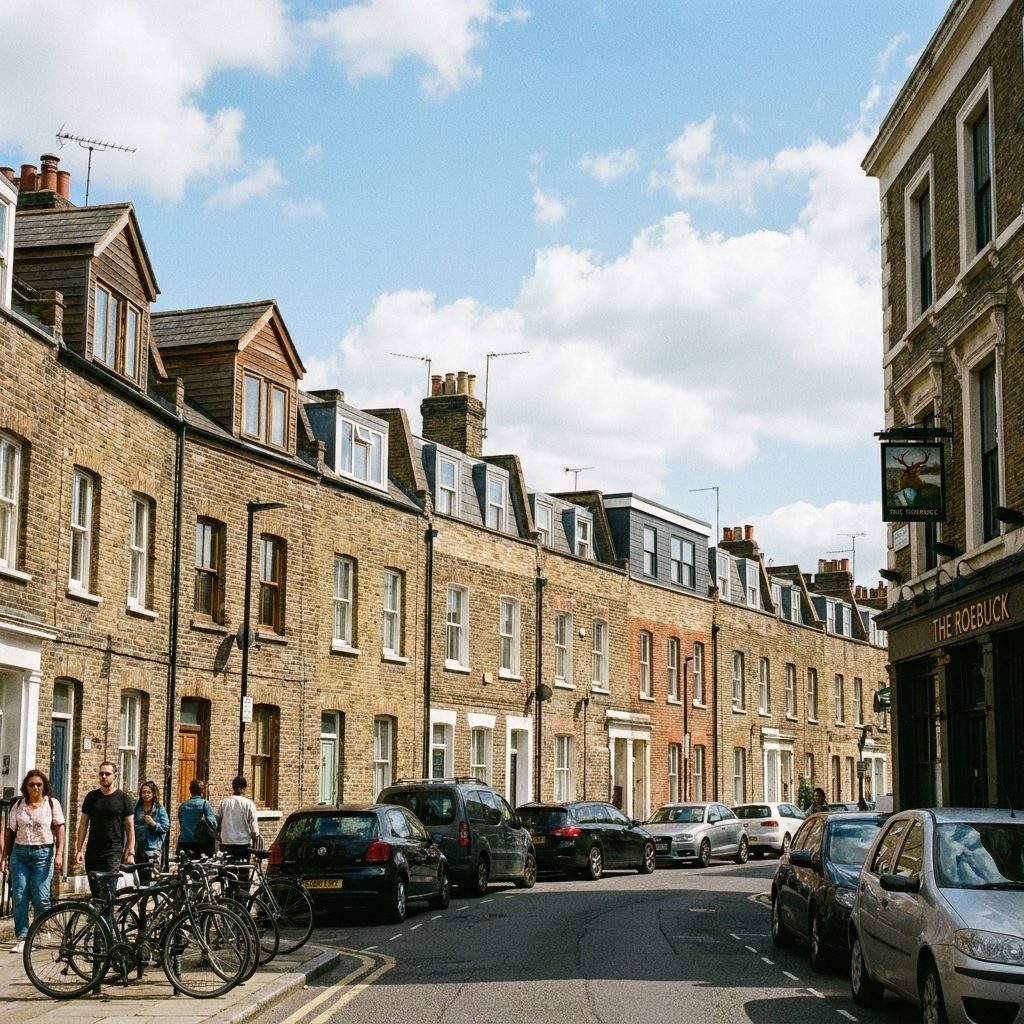
Some councils apply an "Article 4 Direction" to specific streets or conservation areas, which removes some or all Permitted Development rights for properties in that zone — usually to protect the character of an area. This means a project that would normally be PD-compliant might actually need a full application if your property falls within one of these zones. This is exactly the kind of thing that's easy to miss doing your own research online, and exactly what we check as standard at every site visit.
Even when planning permission isn't required, building regulations always apply — covering structural safety, fire safety, insulation, and drainage. A project can be fully Permitted Development compliant and still fail building control if it's not built properly. We handle building control sign-off on every project regardless of whether planning permission was needed.
Even if your project qualifies under PD rights, you can apply for a Lawful Development Certificate from your council — a formal confirmation that the work was lawful. This isn't required, but it's genuinely useful if you sell the property later, since a buyer's solicitor may ask for evidence that an extension or loft conversion didn't need (and didn't skip) planning permission.
PD rules are genuinely useful, but they're also genuinely easy to get wrong — volume calculations, Article 4 zones, and previous extensions eating into your allowance all add complexity. We check all of this for free before you commit to a project, and handle any required applications as part of the build.
Book a free site visit and we'll tell you plainly whether your project needs planning permission before you spend anything on drawings.
Planning a house extension? See our House Extension service and price guide →